
الكاميرا الجارحة .. (تل الربيع) وشهرة معاوية
الكاميرا الجارحة .. (تل الربيع) وشهرة معاوية
كتب: محرر ألوان
قامت إحدى الحكومات العربية بتعيين محافظ على عاصمتها وقد كان الرجل نزيها وأمينا وصاحب كفاءة وقريبا من قلوب الجماهير. وكان شهيرا بالالتزام والتدين، فأصبح بكل هذه الصفات الحميدة حديث المدينة، فقررت الحكومة دون إبداء أي أسباب إحالته للمعاش، مع أنه كان في شرخ الشباب واستبدلته، بآخر. ولسوء حظها فقد كان البديل أكثر التزاما وكفاءة وقربا من الناس، فخافت المدينة من إقالته ولجأت لحيلة ذكية، فقد اتفق عامتها وخاصتها أن يثيروا حول الرجل الشبهات وحملة من الشائعات المغرضة والاتهامات له بالفساد والتجاوز والرشوة والمحسوبية، وأصبحوا يتحدثون في كل المجالس عن هذه التصرفات المذمومة وغير اللائقة بمسؤول.
وفي أحد الأيام عاد أحد أبناء المدينة من رحلة طويلة وكان طبيبا متميزا وله أياد خيرة على الجميع، وقد زار المحافظ في منزله فوجده رجلا في غاية الأدب والزهد والنظافة، بل إن زوجته بنفسها هي التي كانت تخدمهم، فقد كان من تواضعه يانف أن يؤجر خادمة. ووقع الطبيب في حيرة من أمره بالذي يسمع من الناس والذي يرى بنفسه، وعندما استفسر عن الأمر وسط أهله أخبروه بأن الذي شهده مجرد تمثيل حاذق. أكمل الطبيب إجازته، وفي المطار انتحى به شقيقه وهمس في أذنه معترفا بأن كل المعلومات الشائنة والتشويه الذي قيل عن المحافظ غير صحيح، وأنهم اضطروا لهذه الحيلة، لأنهم وجدوا أن الحكومة مولعة بإبقاء الفاسدين وطرد الأخيار!.
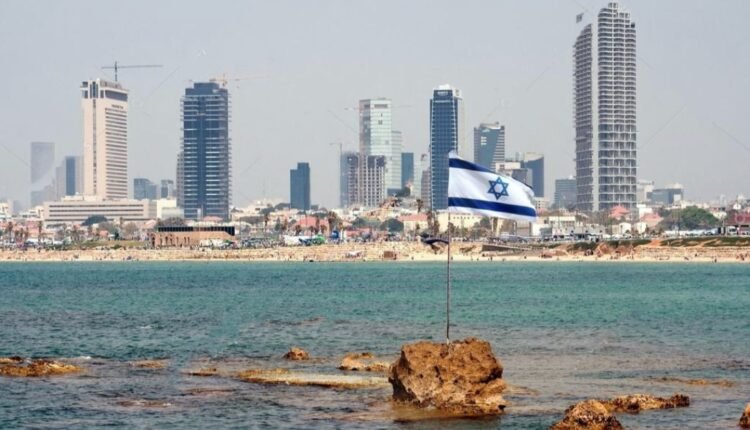
قهقه الطبيب المغادر ضاحكا ومتعجبا بعد أن أمره شقيقه بقسم مغلظ ألا يذيع هذا السر حتى لا يبلغ متخذي القرار فيبعدون الرجل المناسب عن المكان المناسب. ولأن هذه القصة شائعة في كل المدن العربية فقد قررنا ألا نختار لقطة لإحدى العواصم العربية حتى لا نقطع شعرة معاوية بيننا وبينها، لكننا اخترنا أن نجعل الصورة المناسبة لهذا المقال مدينة تل أبيب (تل الربيع)، باعتبار أنها المدينة العربية القادمة لحضن الوطن العربي والمسلم الكبيرولو بعد حين، -وبالطبع- ليس بيننا وبين هذه المدينة في هذا الراهن شعرة معاوية التي نخاف عليها!.
One Arab government appointed a governor over its capital city. The man was honest, trustworthy, competent, and beloved by the people. Known for his discipline and religiosity, he quickly became the talk of the city. Yet the government, without offering any explanation, decided to send him into retirement, even though he was still in the prime of his youth, and replaced him with someone else.
To its misfortune, the replacement turned out to be even more disciplined, more competent, and even closer to the people than the first. Fearing that he too would be dismissed, the townspeople resorted to a clever ruse: both the common folk and the elite agreed to stir up suspicion around the man and launch a campaign of malicious rumors, accusing him of corruption, misconduct, bribery, and favoritism. They began spreading these disgraceful and unbecoming allegations in every gathering.
One day, a son of the city returned from a long trip. He was a distinguished doctor known for his good deeds toward everyone. He visited the governor at his home and found him to be a man of exceptional politeness, humility, and cleanliness. His wife herself was serving the guests, for out of modesty he refused to hire a maid. The doctor was bewildered by the contrast between what people said and what he personally witnessed. When he asked his family, they told him what he saw was merely clever acting.
When the doctor finished his vacation and headed to the airport, his brother pulled him aside and whispered a confession in his ear: all the shameful accusations and slander circulating about the governor were false. But people had been forced to resort to this trick, because they had discovered that the government was fond of keeping the corrupt and removing the righteous.
The departing doctor burst into laughter, astonished, especially after his brother made him swear a solemn oath not to reveal this secret—lest the policymakers hear of it and remove the right man from the right position.
And because this story is common in every Arab city, we decided not to choose an image of any Arab capital for this article, so as not to cut the “thread of Mu‘āwiya” between us and them. Instead, we chose to make the image accompanying this piece a photograph of Tel Aviv (Tel al-Rabi‘), on the basis that it is the next “Arab” city destined—sooner or later—to return to the embrace of the greater Arab and Muslim homeland. And of course, at this particular moment, there is no “thread of Mu‘āwiya” between us and that city that we might fear breaking!