
الكاميرا الجارحة .. أسد هصور وسط الأوغاد
الكاميرا الجارحة .. أسد هصور وسط الأوغاد
كتب: حسين خوجلي
بعد أن صلى الفجر مع والده بالمسجد في إحدى قرى الوسط الكبير الحافلة بمكارم الأخلاق والتحضر والعلم والمهابة، قال لوالده: لقد قررت بعد أن حررنا الخرطوم وهرب هؤلاء الأوباش إلى كردفان ودارفور قررت أن ألحق بهم جهادا في سبيل الخالق الواحد والسودان الموحد.
احتضنه والده في تحنان أبوي نبيل قائلا: توكّل على الله يا ابني فليوم كريهة وسداد ثغر قد أنجبناك. ودع والدته وانطلقت منها زغرودة شقّت فضاء القرية من أقصاها إلى أقصاها وأوصته قائلة: لكم تمنيت وسألت الله أن تموت شهيدا أو تعود منتصرا، فإني لم أتوقعك يوما وأنت ترحل رحيل الجبناء والقاعدين. وأنشدت بصوت رخيم (مادايرالك الميتة ام رمادا شح.. دايراك يوم لقا بي دماك تتوشح.. الميّت مسولب والرماد يكتح.. أحي على سيفو البسوي التح)
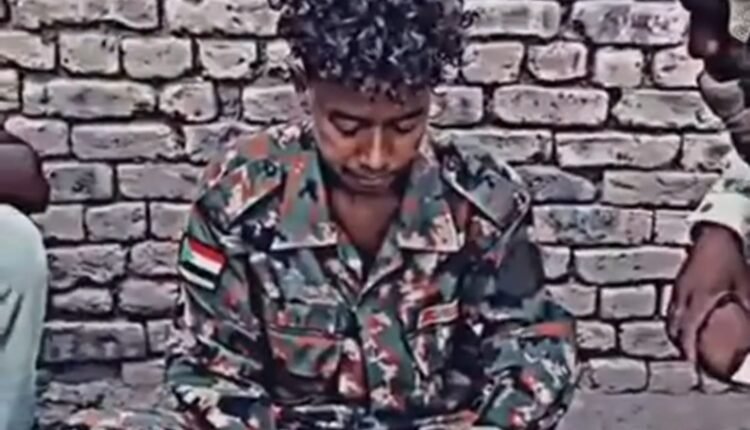
هاجر في صمت وهو يعانق القافلة المباركة هاتفا جيش واحد شعب واحد. وعلى ثرى كردفان الغراء قاتل حتى آخر طلقة، ولم يأسروه إلا بعد أن خاض معركته الأخيرة بالأظافر والأسنان، فكانت صورته هذه التي ملأت الدنيا وشغلت الناس، وهو يقاتل في قيده هؤلاء الأوغاد، لا نالوا منه كلمة خاسرة ولا أذلوه بالتعذيب، وهاهو يقاتلهم عاري الصدر وأعزل اليدين.
لقد رفعت هذه اللقطة المشهودة رؤوس العفيفات فخرا، ورُفعت بها قلوب الفرسان كبرياء وجسارة. لا أحد يريد أن يعرف ما حدث لهذا الأسد الهصور، ولا يهم ما فعله به هؤلاء الأوغاد، فهو من أحفاد الإمام الصالح العالم المجاهد الشهيد ابن تيميه صاحب الفتاوى وهو يصرخ في وجه آسريه (ماذا يفعل بي أعدائي، إن سجني خلوة، ونفيي سياحة، وقتلي شهادة).
حسين خوجلي
After performing the dawn prayer with his father in the village mosque — one of the many villages of the vast central region, rich in virtue, civility, knowledge, and dignity — he said to him:
“Now that we have liberated Khartoum and those wretches have fled to Kordofan and Darfur, I have decided to follow them, striving in the path of the One Creator and for a united Sudan.”
His father embraced him with noble paternal tenderness and said:
“Place your trust in God, my son. Days of hardship and moments that require steadfast defenders are what we raised you for.”
He bid farewell to his mother, and a piercing ululation split the sky of the village from end to end. She told him:
“How often I wished and prayed that you would either fall as a martyr or return victorious; I never imagined you would one day depart in the manner of those who flee and those who stay behind.”
Then she chanted in a melodious voice:
I do not wish for you a death that brings tears to ash-covered women weighed down by grief.
Rather, I want for you a death met in a moment of bravery, your body stained with your pure blood.
The slain man lies bare, without clothing, shrouded only by a thick, raging dust.
Ah, sorrow for his sharp blade, whose clash once boomed upon striking its foes.
He departed silently, joining the blessed convoy while chanting: “One army, one people.”
On the soil of glorious Kordofan, he fought until his last bullet. They did not capture him until he had waged his final battle with his very nails and teeth. That is how this photograph came to be — the one that filled the world and stirred the people — showing him fighting, even in chains, those vile men who could neither wrench from him a single foul word nor break him with torture. There he was, struggling against them, bare-chested and empty-handed.
This unforgettable image lifted the heads of honorable women in pride, and swelled the hearts of brave men with dignity and courage. No one wishes to know what befell this mighty lion, nor does it matter what those villains did to him. He is a descendant of the righteous scholar-warrior, the martyred Imam Ibn Taymiyyah — author of the renowned fatwas — who cried in the face of his captors:
“What can my enemies do to me? My imprisonment is solitude, my exile is a journey of devotion, and my death is martyrdom.”
Hussein Khogali