
الكاميرا الجارحة .. قوم يكذبون ولا يستحون!
الكاميرا الجارحة .. قوم يكذبون ولا يستحون!
كتب: حسين خوجلي
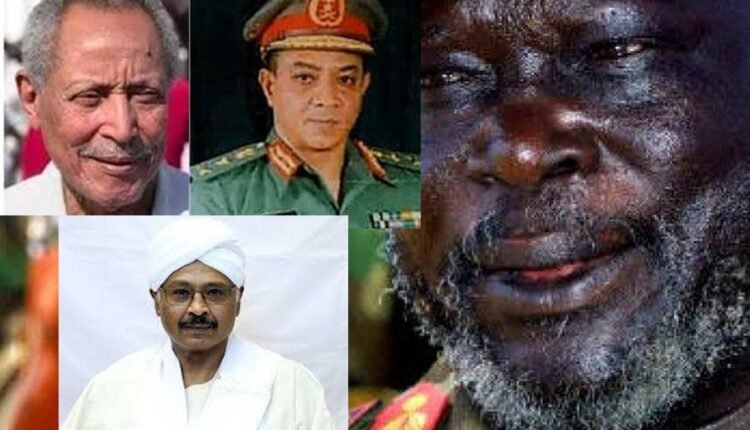
البيان الشهير الذي وقّع عام 2004 في أريتريا تحت مسمى مقررات أسمرا الذي بصمت عليه أحزاب المعارضة التي والت قرنق وهي: الحزب الاتحادي الديمقراطي وحزب الأمة والحركة الشعبية والجيش الشعبي لتحرير السودان وتجمع الأحزاب الأفريقية السودانية والحزب الشيوعي السوداني وقوات التحالف السودانية والنقابات السودانية كان أول بند تصدر البيان: تأكيد مبدأ حق تقرير المصير كحق أصيل وأساسي وديمقراطي للشعوب وأن مواطني جنوب السودان (بحدوده المعتمدة في 1 يناير 1956) لهم الحق في ممارسة حق تقرير المصير قبيل نهاية المدة الانتقالية.
وجاءت نيفاشا تصديقا لكل ما قالوا وبصموا عليه، وجاءوا في معية قرنق والحركة الشعبية مطأطئي الرؤوس وموافقين على كل الذي حدث، دخلوا برلمان نيفاشا من أقصى اليمين وأقصى اليسار وأدوا القسم أمام البشير انصياعا للإنقاذ ونيفاشا ولقرنق وبصموا على دستور 2005 ووافقوا على قانون الأمن والمخابرات وتنعموا بالوظائف والرواتب والظهور والسياحة والأسفار.
وتمت عملية الاقتراع المشهود على حق تقرير المصير الذي أوصوا به واختار الشعب الجنوبي الانفصال بنسبة 98 % وشهد العالم على نزاهة العملية وارتضى الشعب السوداني في حزن ورضى ما اختاره أبناء الجنوب.
ورغم ذلك فكلما أطل هؤلاء العملاء من موظفي الأجنبي وجبهة العلمانية العالمية هذه الأيام على القنوات والصحف والمؤتمرات إلا ادعوا في صفاقة أن الحركة الإسلامية هي التي فصلت الجنوب. ولا أجد عبارة أصدق تعليقا على مزاعمهم وإصرارهم على تزييف التاريخ إلا عبارة أنهم قوم يكذبون في صدق وأنهم لا يستحون!.
حسين خوجلي
The well-known statement signed in 2004 in Eritrea under the name The Asmara Resolutions, which was endorsed by the opposition parties allied with John Garang—namely the Democratic Unionist Party, the Umma Party, the Sudan People’s Liberation Movement and Army, the Sudanese African Parties Alliance, the Sudanese Communist Party, the Sudanese Alliance Forces, and the Sudanese trade unions—had as its very first clause a clear affirmation of the principle of the right to self-determination as an inherent, fundamental, and democratic right of peoples. It stipulated that the citizens of Southern Sudan (within its borders as recognized on 1 January 1956) had the right to exercise this right of self-determination before the end of the transitional period.
Naivasha then came as a ratification of everything they had said and signed. They arrived alongside Garang and the SPLM with heads bowed, agreeing to everything that took place. They entered the Naivasha Parliament from the far right and the far left alike, swore the oath before al-Bashir in submission to the Salvation regime, to Naivasha, and to Garang, endorsed the 2005 Constitution, approved the National Security and Intelligence Act, and enjoyed positions, salaries, public exposure, tourism, and travel.
The widely observed referendum on the right to self-determination that they had advocated was conducted, and the people of the South chose secession by 98%. The world bore witness to the integrity of the process, and the Sudanese people—sadly yet acceptingly—accepted the choice made by the sons of the South.
Despite all this, whenever these agents—employees of foreign interests and of the global secular front—appear these days on television channels, in newspapers, or at conferences, they brazenly claim that it was the Islamic movement that separated the South. I find no truer phrase to comment on their allegations and their insistence on falsifying history than to say that they are a people who lie knowingly, without shame!.
Hussein Khojali