
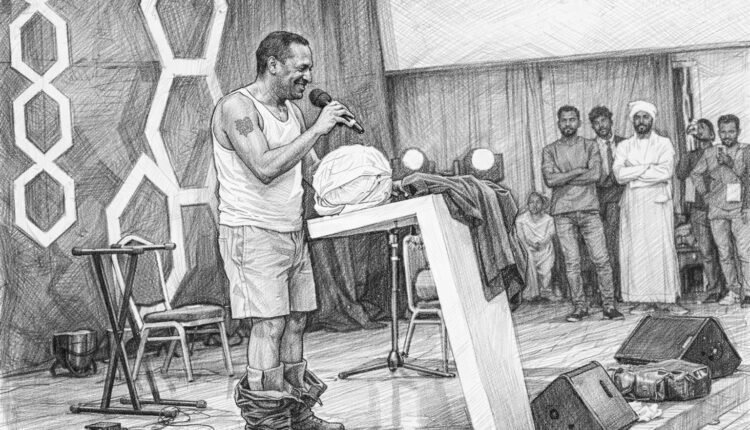
الكاميرا الجارحة .. تعري الفتى في كمبالا وقصة الفرزدق مع قاضي المدينة
الكاميرا الجارحة .. تعري الفتى في كمبالا وقصة الفرزدق مع قاضي المدينة
كتب: حسين خوجلي
عندما رأيت ذلك الفتى يتعرى في كمبالا أثناء (نمرته) في كازينو الاحتفال بديسمبر تعبيرا صارما عن الحرية العارية، تذكرت حكاية الفرزدق مع قاضي المدينة.
تقول الحكاية إن النوار ابنة عم الفرزدق قد منحته توكيلا ليعقد قرانها على عريس ما، فاستغل الفرزدق التفويض وعقد لها على نفسه!، ورفض الطلاق، فاشتكته إلى عبد الله بن الزبير، فجعل الفرزدق بعض أبناء عبد الله بن الزبير شفعاء له عند التقاضي، أما النوار فقد جعلت عروسة ابن الزبير الجديدة الحسناء خولة بنت منظور ابن زبانا شفيعة لها، وهي من أصول رومية. والشفعاء في تاريخ التقاضي الإسلامي يماثلون (المحامون) اليوم.
قدم أبناء ابن الزبير مرافعتهم دفاعا عن الفرزدق. وجاءت خولة بنت منظور ابن زبانا، مترافعة عن النوار . وبعدها أصدر عبد الله بن الزبير حكمه القاضي بتطليق النوار من الفرزدق وتغريمه وجلده تعزيرا.
وعندما انتهت جلسات المحكمة، خرج الشاعر الكبير الفرزدق، كما يقول السودانيون (وشُّو يلعن قفاهُ)، وشاهد ظرفاء المدينة وشعرائها وصعاليكها وجمهرة من الشمّاشة والشفّاتة يحيطون بالمحكمة، يتطلعون لمعرفة التفاصيل، فرد عليهم من شرفتها بأبيات مرتجلة سارت بها الركبان تلخيصا للقضية والحكم، قائلا:
أما بنوه فلم تنجح شفاعتهم
وشُفّعت بنت منظور ابن زبّانا
إن الشفيع الذي يأتيك (مؤتزرا)
لا كالشفيع الذي يأتيك (عُريانا)!
فائدة:
ومن الموافقات أن (خَوْلَة) في اللغة تعني الظبية أو الغزالة، أما مذكرها في اللغة فهو (خَوَل) وهو التابع من الخدام والحاشية الذين يقومون على خدمة الرجل وأهله.
حسين خوجلي
When I saw that young man stripping naked in Kampala during his “act” at the December Celebration Casino—an arresting expression of bare freedom—I was reminded of the story of al-Farazdaq with the city’s judge.
The story goes that al-Nawār, al-Farazdaq’s cousin, had granted him power of attorney to conduct her marriage contract to a suitor. Al-Farazdaq abused the authorization and married her to himself—and then refused to divorce her. She complained about him to ʿAbd Allāh ibn al-Zubayr. Al-Farazdaq, in turn, made some of Ibn al-Zubayr’s sons intercessors on his behalf in the litigation. Al-Nawār, for her part, appointed Ibn al-Zubayr’s new and beautiful bride, Khawla bint Manẓūr ibn Zabbāna, as her intercessor; she was of Roman origin. In the history of Islamic adjudication, such intercessors correspond to what we would today call lawyers.
The sons of Ibn al-Zubayr presented their pleading in defense of al-Farazdaq. Then Khawla bint Manẓūr ibn Zabbāna appeared to plead on behalf of al-Nawār. After that, ʿAbd Allāh ibn al-Zubayr issued his judgment: ordering al-Nawār’s divorce from al-Farazdaq, fining him, and subjecting him to a discretionary flogging.
When the court sessions ended, the great poet al-Farazdaq emerged—what Sudanese say of someone whose face curses what lies behind him—and found the city’s wits, poets, vagabonds, and a crowd of street youths and petty hustlers surrounding the courthouse, eager to learn the details. From its balcony he replied with improvised verses that soon traveled far and wide, summing up the case and the verdict, saying:
As for his sons, their intercession did not succeed;
It was Khawla, daughter of Manẓūr ibn Zabbāna, whose plea prevailed.
For the intercessor who comes fully attired
Is not like the intercessor who comes to you naked!
A Note:
Coincidentally, Khawla in Arabic means a doe or gazelle, while its masculine form is khawal, meaning a follower—one of the servants or retainers who attend to a man and his household.
— Hussein Khojali