
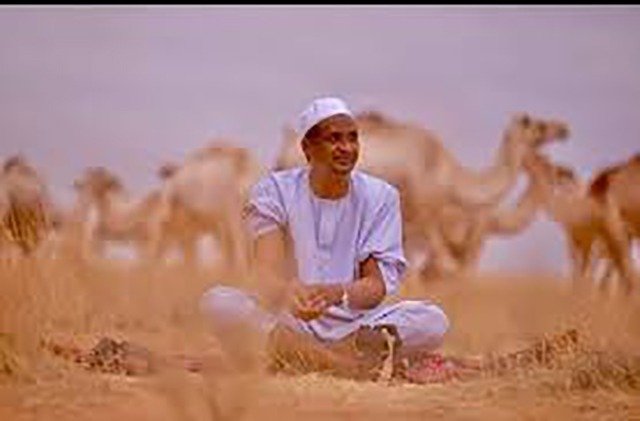
الكاميرا الجارحة .. فتنة الراعي حمدان
الكاميرا الجارحة .. فتنة الراعي حمدان
كتب: حسين خوجلي
نكبة دارفور باختصار أن الراعي حمدان أطلق جمله في مزرعة الفلاح أبكر فأكل منها وأرتوى وعاث فسادا، فقامت المشادة المتكررة فقتل حمدان في العراك المشهود أبكر وقامت الفتنة بين رهط ورهط وجماعة وجماعة وفريق وفريق وقبيلة وقبيلة وصارت الحادثة (فتنة) وقد صنعت منها النخب حركات وكتب ومنفستو وأموالا وعمالة وخيانة ووزارات ومصالحات وعرب وزرقة ووضع الجميع منظومة القيم واسلام الجماعة في دائرة التجاهل والغياب.
وقبل أكثر من ألف عام دخل تميم الراعي بجمله إلى حديقة ربيعة في بطحاء مكة فأكل وأرتوى وعاث فسادا ودارت المعركة وقتل الراعي المزارع كالعادة ،ولأن ذلك الزمان كان زمان عقيدة وشريعة وقانون فقد اشتكى أهل القتيل واقتيد الجاني إلى قاضي المدينة وقد ثبت الجرم وأكده الاعتراف، بيد أن الجاني المستسلم صاح في وجه القاضي (إني قد رضيت بحكم الشريعة في أمري ولكني أطلب السماح بالمغادرة إلى أهلي لأخطر زوجتي وأبنائي وأورث حقي وأحضر للقصاص) فقال القاضي إن هذا الأمر ليس لك إلا إذا أرتضى أهل الدم، أو ضمنك أحد الحضور العدول. فصاح الرجل في الجمهرة (أليس فيكم رجل يضممني حتى أعود؟) صمت الجميع لبرهة وقيل أن أبوموسى الأشعري قال للقاضي (أنا أضمنه يا قاضي الإسلام) فارتج المكان وأصاب الجميع الذهول وقال القاضي بنبرة فيها وضوح وتحذير (إن لم يأتي فسوف نقتص منك قتلا) قال الصحابي الجليل كما تقول الرواية (إني قد رضيت واستسلمت لما عاهدت به الرجل) والتفت صوبه قائلا انطلق إلى قبيلتك إن الله يفعل ما يشاء. وفي اليوم الموعود أصبحت المدينة كلها تترقب في الوادي المطل على ساحة القضاء ولم يظهر الرجل. وضع النطع وجاء السياف ووقف صاحب رسول الله في عزة وكبرياء المسلم فداء لكلمته وقبل أن يهم السياف بجز الرأس الطاهر لاح الرجل في الأفق وهو يصيح إني قد جئت فأطلقوا قيد الرجل الصالح. هللت المدينة وكبرت وقال القاضي مال الذي أرجعك وقد كنت في مأمن وانطلقت في تلك المجاهيل؟ فرد الجاني في ثقة وبسالة (أتيت حتى لا يموت الوفاء في الناس) وقال صاحب رسول الله (لقد ضمنته حتى لا تموت المروءة في الناس) حينها بكى أبناء القتيل ورهطه وصاحوا (وقد رحمناه يا قاضي الإسلام حتى لا يموت العفو في الناس).
عزيزي القاريء راعي وفلاح وجناية أحدثت (فتنة) في (غياب) الوفاء والمروءة والعفو في شمال دارفور وراعي وفلاح وجناية أنجبت (فكرة) في (حضور) الوفاء والمروءة والعفو في مدينة المصطفى صلى الله عليه وسلم.
The catastrophe of Darfur, in brief, is this: the herder Hamdan let his camel loose into the farmer Abkar’s field; it ate, drank its fill, and wreaked havoc. Repeated quarrels followed, until Hamdan killed Abkar in the well-known scuffle. Thus strife erupted—between one group and another, one faction and another, one clan and another, one tribe and another—and the incident became a “sedition.” Elites then fashioned from it movements, books, manifestos, money, patronage, betrayal, ministries, settlements, Arabs and Africans—while everyone consigned the moral order and the communal Islam of values to neglect and absence.
More than a thousand years earlier, Tamim the herder led his camel into Rabi‘a’s garden in the Batha’ of Mecca; it ate, drank, and caused destruction. A fight broke out and the herder killed the farmer, as often happened. But that era was one of faith, law, and legal order. The family of the slain man complained; the perpetrator was led to the city’s judge; the crime was proven and confirmed by confession. Yet the surrendered offender cried out to the judge: “I accept the judgment of the Law in my case, but I ask permission to go to my family to inform my wife and children, settle my affairs, and then return for retribution.” The judge replied that this could only be granted if the family of the slain consented, or if one of the upright present stood surety for him.
The man called out to the crowd: “Is there no one among you who will guarantee me so I may return?” Silence fell for a moment. It is said that Abu Musa al-Ash‘ari told the judge: “I will guarantee him, O judge of Islam.” The place trembled; astonishment seized everyone. The judge said, with clarity and warning: “If he does not return, you will be executed in his place.” The noble Companion replied, according to the account: “I accept and submit to what I have pledged to the man,” then turned to him and said: “Go to your people; God does what He wills.”
On the appointed day, the whole city gathered in the valley overlooking the court square, watching—and the man did not appear. The execution mat was laid out, the executioner arrived, and the Companion of the Messenger stood in dignity and Muslim pride, offering himself for the sake of his word. Just as the executioner was about to strike the noble head, the man appeared on the horizon, crying out: “I have returned!” The bonds were removed from the righteous man. The city rejoiced and proclaimed God’s greatness. The judge asked: “What brought you back, when you were safe and had gone off into those unknown lands?” The offender replied with confidence and courage: “I came so that fidelity would not die among people.” The Companion of the Messenger said: “I stood surety so that chivalry would not die among people.” Then the sons of the slain and their kin wept and cried out: “And we have pardoned him, O judge of Islam—so that forgiveness would not die among people.”
Dear reader: a herder, a farmer, and a crime that sparked a “sedition” amid the absence of fidelity, chivalry, and forgiveness in North Darfur; and a herder, a farmer, and a crime that gave birth to an idea amid the presence of fidelity, chivalry, and forgiveness in the City of the Chosen One, peace and blessings be upon him.