
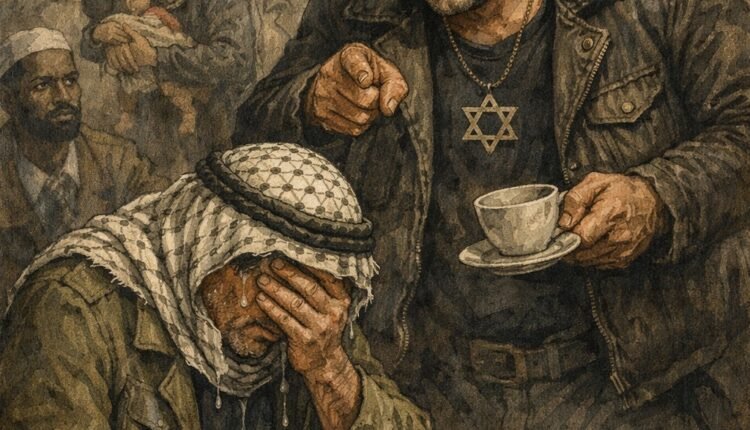
الكاميرا الجارحة .. الكوب المسموم
الكاميرا الجارحة .. الأستاذ والتلميذ
كتب: حسين خوجلي
طلب أستاذ الأدب العربي من تلاميذه أن يكتبوا قصة عن الحظ العاثر. وأثناء تصحيح المادة استوقفت الأستاذ قصة قصيرة كتبها الطالب صلاح الدين عامر عبد السلام ، كان نصها (جلس المواطن العربي حنظلة يتناول كوبا من الشاي في مقهى الأممية الثالثة للمشروبات الساخنة، ذلك المقهى الذي اعتاد أن يرتاده مواطنون من جنسيات مختلفة، عربية وأفريقية وغربية وآسيوية وبعض القادمين من أمريكا الشمالية والجنوبية. نحّى حنظلة كوب الشاي من أمامه حتى لا تنسكب دموعه المنهمرة داخل الكوب. كان يبدو عليه الانكسار والقنوط والحزن الدفين. الصمت والسكون وبعض الهمسات كانت تخيم على المقهى العتيق. ولم يكسر رصانة الصمت والهمس إلا الاقتحام الصاخب للفتوّة كوهين، الذي تفرّس في وجوه الجميع واتجه مباشرة صوب حنظلة العربي، ووجه له صفعة كادت أن تلقيه أرضا مع سيل من الشتائم المحقّرة، وأمسك بكوب الشاي وابتلعه في ثلاث جرعات متوالية. وقبل أن يغادر لاحظ أن حنظلة دخل في نوبة بكاء مرير موشّح بعبارات ثاكلة، ودموع غطت سطح المنضدة، فصاح كوهين في وجهه لماذا هذا البكاء المزعج؟ هل لأنني صفعتك؟ أم لأنني شربت كوب الشاي، وأضاف في نزق وصلف، إنك لن تستطيع أيها العربي المشرد أن ترد صفعتي، أما قيمة الشاي فهذه مئة شيكل، قذفها بلؤم في وجه المسكين. استجمع حنظلة نفسه وأنفاسه وقال مخاطبا كوهين ووجهه إلى الأرض، إني لم أبك ياهذا لمذلة الصفعة، ولا حزنا على كوب الشاي، لكنني أبكي أمي وأبي الذين قتلا تحت الركام في غزة إثرغارة إسرائيلية حارقة، وأبكي أختي التي قتلت مع أطفالها في الجنوب اللبناني، وأبكي أخي الأسير في جبل الشيخ بسوريا، وأنتحب على مزرعتي التي أُحرقت وقُتل فيها شقيقي الخبير الزراعي الذي يديرها بكردفان، وأبكي مقتل أخي المعلم في صنعاء، إني أرثي لحالي وأبكي حظي العاثر، فحتى كوب الشاي المسموم الذي أردت أن أنهي به حياتي التعيسة، ها أنت تسرقه وتشربه بلا مبالاة).
حسين خوجلي
An Arabic literature teacher asked his students to write a story about bad luck. While grading the assignments, the teacher paused at a short story written by the student Salah al-Din Amer Abd al-Salam. Its text read:
(The Arab citizen Hanzala sat drinking a cup of tea in the café of the Third International for Hot Beverages, a café frequented by people of various nationalities—Arab, African, Western, Asian, and some from North and South America. Hanzala pushed the cup of tea away so that his streaming tears would not spill into it. He appeared broken, despondent, and weighed down by a deep, hidden sorrow. Silence, stillness, and a few murmurs hung over the old café. The solemn quiet was shattered only by the noisy intrusion of the tough Cohen, who scanned everyone’s faces and headed straight toward the Arab Hanzala, striking him with a slap that nearly knocked him to the ground amid a torrent of demeaning insults. He seized the cup of tea and gulped it down in three successive swallows. As he was about to leave, he noticed that Hanzala had fallen into a fit of bitter weeping, laced with the cries of the bereaved, his tears covering the surface of the table. Cohen shouted at him, “Why this annoying crying? Is it because I slapped you? Or because I drank the tea?” Then, with irritation and arrogance, he added, “You will never be able, you homeless Arab, to return my slap. As for the price of the tea—here is one hundred shekels,” which he hurled cruelly into the wretch’s face. Hanzala gathered himself and his breath and said to Cohen, his face lowered to the ground: “I did not cry, sir, out of humiliation from the slap, nor out of sorrow for the cup of tea. I weep for my mother and father, who were killed beneath the rubble in Gaza after a searing Israeli airstrike; I weep for my sister, who was killed with her children in southern Lebanon; I weep for my brother, a prisoner on Mount Hermon in Syria; I sob over my farm that was burned and where my brother—the agricultural expert who ran it—was killed in Kordofan; and I weep for the killing of my brother the teacher in Sana’a. I mourn my condition and cry over my ill fate. For even the poisoned cup of tea with which I intended to end my miserable life—you have stolen it and drunk it without a care.”)
Hussain Khojali