
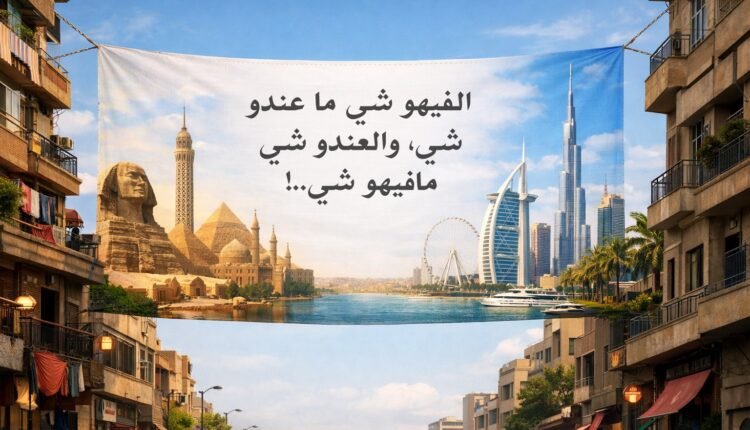
الكاميرا الجارحة .. الفيهو شي ما عندو شي والعندو شي ما فيهو شي
الكاميرا الجارحة.. الفيهو شي ما عندو شي والعندو شي ما فيهو شي
كتب: حسين خوجلي
أحد فقراء البادية استأذن شيخ العرب أن يذهب إلى المدينة لزيارة شقيقيه لصلة الرحم وطلب المساعدة. كان أحدهما رقيق الحال يعيش أسرته ببيع الخضروات والآخر كان ثريا يملك مغلقا بالسوق الكبير. رحّب به الفقير واستضافه واعتذر له عن المبلغ الضئيل الذي ساعده به، أما شقيقه الثري صاحب المغلق فقد رده معتذرا بحالة الكساد التي تضرب السوق. وعندما عاد بخفي حنين زار شيخ العرب فسأله عن مساندة شقيقيه ومحصلة الرحلة، فقال له مبتسما في حزن وسخرية (باختصار يا شيخ العرب الفيهو شي ما عندو شي والعندو شي ما فيهو شي) وهي عبارة من عبقريات القريحة السودانية في أدب ما قل ودل، وتعني بالفصيح إن صاحب القيم فقير ومالك القيمة بخيل. وبمنطق المماثلة فقد ذكرتني حالة السودان بعد النكبة، فقد لجأنا لشقيقتنا مصر المتعففة فاقتسمت معنا اللقمة والقضية، ولجأنا لشقيقتنا الإمارات الثرية، فاقتسمت معنا الخصومة واقتسمت مع عدونا البندقية!
وقد قررنا بعدها أن نمد يافطة الشعار المدوي ما بين القاهرة وأبوظبي، وكتبنا فيها بأحرف من الدمع والدم (الفيهو شي ما عندو شي، والعندو شي مافيهو شي..!).
حسين خوجلي
One of the poor men of the desert asked the Sheikh of the Arabs for permission to travel to the city to visit his two brothers, to maintain family ties and seek help. One of them was modest in means, supporting his family by selling vegetables; the other was wealthy and owned a shop in the main market.
The poor brother welcomed him warmly, hosted him, and apologized for the small amount of money he was able to give. As for the wealthy brother, the owner of the shop, he turned him away, apologizing on the pretext of the economic stagnation afflicting the market.
When he returned empty-handed, he went back to the Sheikh of the Arabs, who asked him about his brothers’ support and the outcome of the journey. With a smile tinged with sadness and irony, he replied:
“In short, Sheikh of the Arabs: the one who has values has nothing, and the one who has wealth has no values.”
This is one of the brilliant expressions of the Sudanese wit in the literature of saying much with few words. In formal Arabic, it means: the man of principles is poor, and the owner of wealth is miserly.
By analogy, this reminded me of Sudan’s condition after the catastrophe. We turned to our modest sister, Egypt, and she shared with us her bread and our cause. We turned to our wealthy sister, the Emirates, and she shared with us hostility—and shared with our enemy the rifle.
After that, we decided to stretch a banner bearing the resounding slogan between Cairo and Abu Dhabi, writing on it in letters of tears and blood:
“The one who has values has nothing, and the one who has wealth has no values…!”
Hussein Khojali