
الكاميرا الجارحة .. إثنان أعيا الدهر أن يُبليهما: لبنان، والأمل الذي لبنيه
الكاميرا الجارحة .. إثنان أعيا الدهر أن يُبليهما: لبنان، والأمل الذي لبنيه
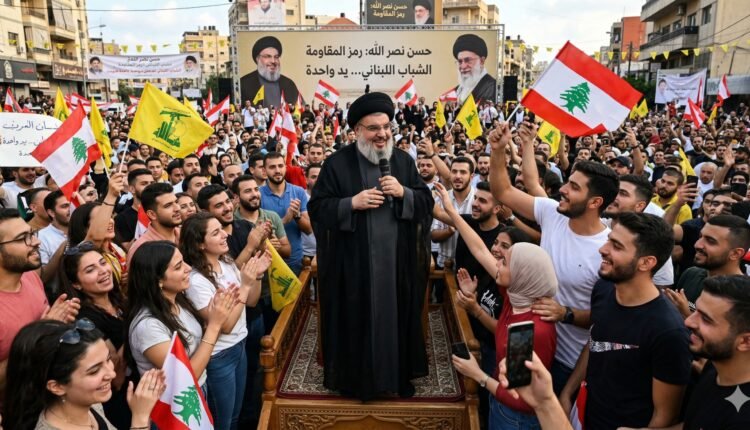
فُجِع الرأي العام العربي والإسلامي وهو يستمع بحزن عميق إلى القرار الرسمي للحكومة اللبنانية، التي تطالب المنظمات الدولية بمعاقبة وإدانة حزب الله ودمغه بالإرهاب والخروج على الشرعية. يأتي هذا القرار المارق في وقت يخوض فيه شباب الحزب معركة تُشرّف التاريخ العربي والإسلامي، بل تُشرّف التاريخ العالمي؛ شباب يحملون رؤوسهم على أكفهم في معركة الشرف الوطني، وهم يزودون عن الأرض والعرض، ويدحرون جيش الصهاينة المعتدي على الجنوب اللبناني الصابر الجريح، ذلك الجيش الصهيوني الإرهابي الذي ما ترك قريةً إلا دمّرها، ولا أسرةً إلا وشحها بالترمّل واليُتم والتشريد، الجيش الإسرائيلي الباطش الذي دمّر البشر والشجر والحجر، وتمدّد في قلب الجنوب، ورحّل أكثر من مليون مواطن إلى المجهول بلا مأوى ولا قوت ولا أمان، يفترشون الأرض ويلتحفون السماء. وفي الوقت الذي كان ينتظر فيه هذا الشباب المجاهد دعم السواعد والسلاح والمعونة والقِرى والدفع المعنوي، إذ بالحكومة اللبنانية تدينه، بل تحرّض وتطالب الأمم المتحدة بتشريع يدمغه بالإرهاب.
ولو حقّ لهذه المنظمة الهباء أن تجيب، لقالت لمندوب لبنان ساخرة: «ماذا فعلنا للذين اشتكوا من قبلكم حتى تهرعون إلينا بالشكوى؟!». فإن كانت السلطة اللبنانية قد فقدت كبرياء النضال وفحولة الدولة، فما كنا نحسب أنها فقدت فضيلة الحياء والذوق العام. وهناك عبارة سودانية شهيرة تُقال في حق الأخرق الذي يفعل ويقول فعلاً وحديثًا خارج السياق: «دا وقتو؟»
*حسين خوجلي*
Arab and Islamic public opinion was shocked, listening with deep sorrow to the official decision of the Lebanese government, which calls on international organizations to punish and condemn Hezbollah, labeling it as terrorism and acting outside legitimacy. This rogue decision comes at a time when the party’s youth are engaged in a battle that honors Arab and Islamic history—indeed, one that honors world history. Young men carrying their lives in their hands in a struggle of national dignity, defending land and honor, and pushing back the Zionist army attacking the wounded yet steadfast south of Lebanon.
That terrorist Zionist army has not left a single village without destroying it, nor a single family without draping it in widowhood, orphanhood, and displacement. The brutal Israeli army has devastated people, trees, and stones, spreading deep into the south and forcing more than a million citizens into the unknown—without shelter, food, or safety—left to sleep on the ground and cover themselves with the sky.
At a moment when these striving youth expected support—arms, assistance, hospitality, and moral backing—the Lebanese government instead condemns them, even inciting and calling on the United Nations to pass legislation branding them as terrorists.
If this hollow organization were to respond, it might say mockingly to Lebanon’s representative: “What did we do for those who complained before you, that you now rush to us with your grievance?!” If the Lebanese authority has lost the pride of struggle and the vigor of statehood, we did not imagine it would also lose the virtue of modesty and public decency.
There is a well-known Sudanese expression said about someone who acts and speaks out of place: “Is this the time for that?”