
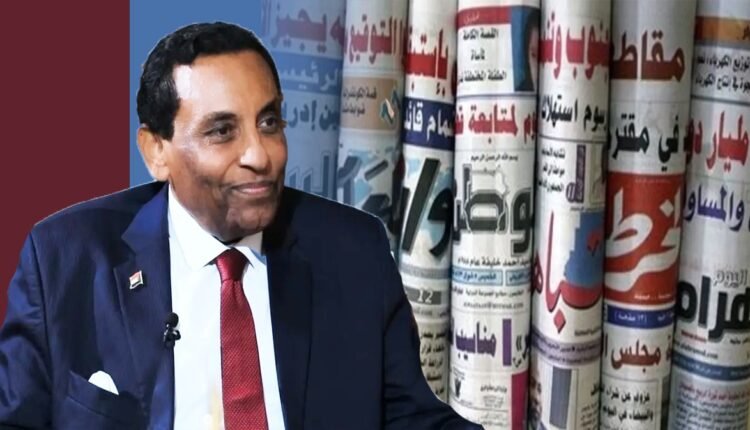
الكاميرا الجارحة .. الوخز النفيس في بريد كامل إدريس!
*الكاميرا الجارحة*
*الوخز النفيس في بريد كامل إدريس!*
الأخ البروفيسور كامل إدريس، نحن نعلم أن وقتك مليء بالاشكالات والتعقيدات ونوائب الدهر في هذه المرحلة الخطيرة من تاريخ بلادنا السامقة القامة الحافية القدمين، ورغم ذلك نطلب منك أن تقتطع ساعة زمان من وقتك الثمين لتطالع أوجه وسيرة رؤساء الوزارات الذين مروا على بلادنا في مختلف المراحل السياسية، والتي ابتدرها تاريخاً وجدارةً السيد الزعيم إسماعيل الأزهري عن حكومة الاستقلال، وأعقبه السيد عبد الله بك خليل عن حكومة السيدين، والسيد سر الختم الخليفة عن أكتوبر، ومحمد أحمد المحجوب عن الديمقراطية الثانية، والسيد الصادق المهدي لدورتين عن الديمقراطية الثانية والثالثة، ومولانا بابكر عوض الله عن الجبهة الاشتراكية في أول مايو، ومولانا الرشيد الطاهر عن مايو الاتحاد الاشتراكي، والدكتور الجزولي دفع الله عن انتفاضة أبريل، والفريق بكري حسن صالح والدكتور معتز موسى والدكتور محمد طاهر إيلا عن ثورة الإنقاذ الوطني، والدكتور عبد الله حمدوك عن انتفاضة ديسمبر.
كل هؤلاء يا سيادة البروفيسور كامل بلا استثناء تعرضوا لأشرس حملات الانتقاد والتجريح والمحاكمات الصحفية وتشريح الأقلام والمنابر والملتقيات، بكثير من الحق وكثير من الباطل وكثير من الموضوعية وكثير من الإجحاف، لكننا لم نسمع يوماً أن أي واحد من هؤلاء الكبار قد وقف أمام محكمة مقاضياً صحفياً أو إعلامياً أو محلياً سياسياً أو شاعراً أو متحدثاً في ندوة سياسية، وكان كل سلاحهم إما التغاضي لا التقاضي، أو بعض الأقلام الموالية التي كانت تدافع عنهم برصانة وشجاعة، وغالباً ما كانت تلقم أفواه الخصوم حجارة لا تبقي لهم ألسنة ولا أسناناً، وكان شعار الجميع رغم قسوة المعارك: (قل كلمتك وأمْضِ).
أقول هذا وهو من المعلوم في العمل الصحفي بالضرورة، إلا أن ما دعاني وأقلقني بالكتابة هذا السيل من الشكاوى الذي يتطاير يمنة ويسرى من مكتب رئيس الوزراء الأنيق ضد الصحافة والصحفيين السودانيين المتوحشين بالفقر والمنافي والعجز والترمل وقلة النصير. وهذه الشكاوى الانتقامية هي سلوك لا يشبه الإرث القديم ولا يشبه وعثاء المرحلة التي تبيح الغضب والتجاوز وحتى الشتائم إذا كانت لا تخرج من دائرة الهجاء الذي (يقرص ولا يجرح).
ورحم الله السياسي الساخر أحمد سليمان المحامي، فقد قابل يوماً السيد الصادق المهدي واشتكى له من شراسة الحملات التي كانت (ألوان والراية) تشنها ضده وضد أداء الحكومة، وعندما تنحى الرجل الكبير عن مقعده وأخلاه للبشير، قال تبريراً إن (ألوان) هي التي أسقطت الديمقراطية الثالثة! أما تعليل وتبرير أحمد سليمان الذي كان يعمل مستشاراً لجريدة الراية للسيد الصادق وكاتب عمود يومي مقروء، فهو قوله الساخر المتداول: (أنت ما عارف يا سعادتك إنو منصب رئيس الوزراء هذا صنع خصيصاً في العالم الثالث ليشتمه الصحفيون!). وأخيراً عزيزي البروف كامل إدريس، إذا احتمل كل هؤلاء الأنقياء الأخفياء هذه الحملات فيجب ألا تكون استثناءً، وإلا فإن عبير جنيف أفضل ألف مرة من هجير الخرطوم (والمعنى واضح).
*حسين خوجلي*
A Refined Sting in Kamil Idris’s Inbox!
Brother Professor Kamil Idris, we know that your time is filled with problems, complications, and the calamities of fate at this perilous juncture in the history of our proud yet barefoot nation. Nevertheless, we ask you to set aside an hour of your precious time to acquaint yourself with the profiles and records of the prime ministers who have served our country at various stages of its political history.
The list begins, in historical precedence and distinction, with the esteemed leader Ismail al-Azhari, who headed the government of independence. He was followed by Abdullah Bey Khalil, who led the government of the two Sayyids; Sirr al-Khatim al-Khalifa, who served after the October Revolution; and Muhammad Ahmad al-Mahjoub, who headed the second democratic government. Sadiq al-Mahdi served two terms during Sudan’s second and third democratic periods. Judge Babiker Awadallah headed the socialist front government that emerged on May Day, while Judge Rashid al-Tahir led the government of the May Revolution’s Socialist Union. Dr. Al-Jazuli Dafallah served after the April Uprising, followed by Lieutenant General Bakri Hassan Saleh, Dr. Moataz Musa, and Dr. Mohamed Tahir Ayla during the National Salvation regime. Finally, Dr. Abdalla Hamdok served following the December Revolution.
Your Excellency, Professor Kamil, every one of these men, without exception, was subjected to the fiercest campaigns of criticism, personal attacks, press trials, and relentless dissection by columnists, media outlets, public forums, and political gatherings. Much of that criticism was justified, much of it false; some was objective, while some was grossly unfair. Yet we never heard of any one of these prominent figures standing before a court to sue a journalist, media personality, political activist, poet, or speaker at a political symposium.
Their weapons were either tolerance rather than litigation, or the support of loyal writers who defended them with composure and courage. More often than not, those writers left their opponents speechless, metaphorically stuffing their mouths with stones until they had neither tongues nor teeth left with which to argue. And despite the ferocity of their political battles, everyone upheld the same motto: “Speak your mind, then move on.”
I say this even though it is a self-evident principle of journalistic practice. What has prompted me to write, and what has troubled me, is the flood of complaints emanating in every direction from the elegant Office of the Prime Minister against Sudanese journalists—journalists brutalized by poverty, exile, helplessness, widowhood, and a lack of support.
These vindictive complaints represent a style of conduct that neither reflects our long-established political heritage nor suits the hardships of the present moment—a time that permits anger, excess, and even insults, provided they remain within the bounds of satire that stings without wounding.
May God have mercy on Ahmed Suleiman, the lawyer and political satirist. On one occasion, he met Sadiq al-Mahdi and complained about the ferocity of the attacks that the newspapers Alwan and Al-Raya were directing at him and his government’s performance.
When the elder statesman eventually stepped aside from his seat and relinquished power to al-Bashir, he justified his departure by claiming that Alwan had brought down Sudan’s third democratic government!
As for Ahmed Suleiman’s explanation—a man who served as an adviser to Al-Raya and wrote a widely read daily column—his much-repeated, sarcastic remark to Sadiq al-Mahdi was:
“Don’t you know, Your Excellency, that the office of prime minister was created specifically in the Third World so that journalists could insult whoever occupies it?”
Finally, dear Professor Kamil Idris, if all these honorable and unassuming men endured such campaigns, you should not expect to be an exception. Otherwise, the fragrance of Geneva is a thousand times better than the scorching heat of Khartoum.
The meaning is clear.
Hussein Khojaly